
Affiliate disclosure: As an Amazon Associate, BusinessPolicyGuide earns from qualifying purchases made through links on this page. This does not change the price you pay, and we only feature books we believe are genuinely useful for small business owners thinking about insurance, risk, and compliance.
Get a business insurance quote in minutes
Compare coverage and pricing from top-rated carriers — free, no commitment.
Compare Quotes →Why a reading list matters for insurance and risk
Most small business owners learn about insurance the hard way: after a claim is denied, a certificate of insurance is rejected by a client, an audit reveals an underreported payroll, or a contract turns out to require limits the current policy can't meet. The books on this list won't make you an underwriter, a tax attorney, or a compliance officer —but they will dramatically shorten the distance between you and the right questions. Each title was selected because it explains an area of risk that consistently shows up in our reader email: choosing the right business structure, understanding policy language, controlling tax exposure, documenting employee relationships, and building a business that doesn't depend on the owner being present every day.
Read them in any order. Some are reference manuals you'll keep next to your desk; others are short enough to finish on a flight. All of them pair well with the practical checklists, coverage comparisons, and state guides on BusinessPolicyGuide.
The 7 books
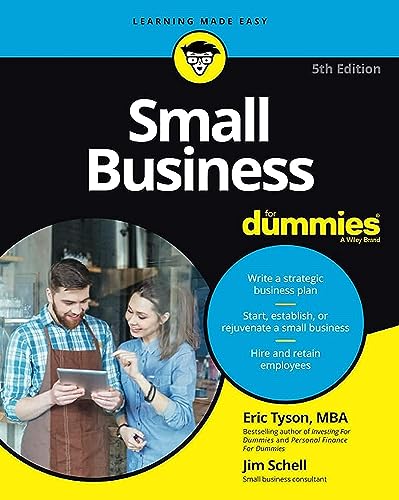
1. Small Business For Dummies
This is the broadest single-volume introduction to running a U.S. small business, and its chapters on insurance, entity selection, and risk are written in plain English. We recommend it as the first book on this list because it frames why coverage decisions can't be separated from how you structure, finance, and staff the business. The risk-management chapter alone is worth the price for first-time owners trying to decide between a sole proprietorship, an LLC, and an S-corp.
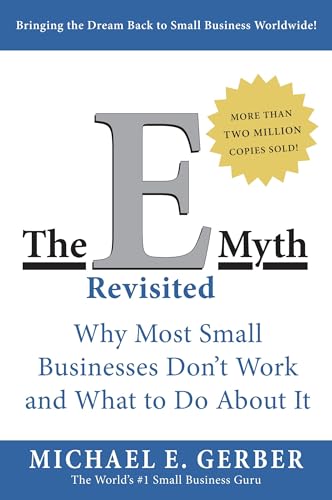
2. The E-Myth Revisited
Gerber's classic isn't about insurance directly, but it's the best book ever written on the operational risk most small business owners actually carry: the risk that the business stops functioning the moment the owner is unavailable. The book's systems-thinking approach to documenting workflows is exactly what underwriters, auditors, and certificate-of-insurance reviewers reward. Read this before your first workers' comp audit or general liability renewal questionnaire.
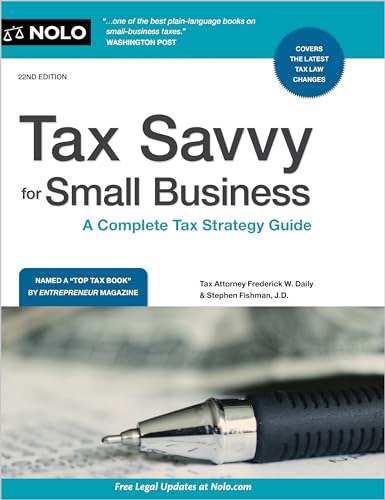
3. Tax Savvy for Small Business
Nolo's tax guide is the most practical reference we know for owners who want to understand how payroll, contractor payments, depreciation, vehicle use, and home-office deductions interact with the documents an insurance carrier or auditor will eventually ask for. Premium audits for workers' comp and general liability rely on the same payroll and 1099 records the IRS looks at, so getting your tax bookkeeping right is also risk management. Keep this on the shelf next to your insurance binder.

4. Legal Guide for Starting & Running a Small Business
Another Nolo staple, this volume covers the legal exposures that drive most small-business insurance claims: contracts, leases, employee classification, customer disputes, and intellectual property. Chapters on independent contractors and hiring are particularly useful for owners trying to decide between 1099 work and W-2 employment —a decision that directly affects workers' comp eligibility, EPLI exposure, and general liability ratings. We recommend reading the contracts section before signing any client agreement that specifies insurance limits or additional-insured wording.
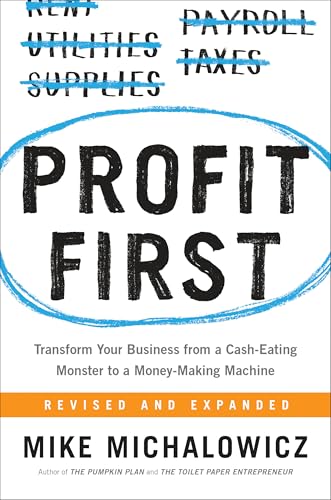
5. Profit First
Cash-flow fragility is the silent killer of small businesses, and it's also the single biggest reason owners skip insurance renewals, reduce limits, or raise deductibles past what they can actually absorb. Michalowicz's envelope-style cash management system makes premium payments, deductibles, and emergency reserves predictable rather than panic-driven. Pair this with the Nolo tax book and you'll have a much clearer view of what coverage you can sustain at every revenue tier.
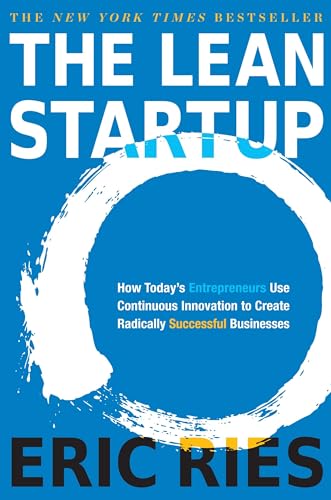
6. The Lean Startup
Insurance, in practice, is a structured way of running experiments —you pay a known premium to test whether a low-probability, high-severity outcome would actually wipe out the business. Ries's framework for measuring assumptions, running validated experiments, and pivoting based on data is unexpectedly useful when comparing carriers, raising deductibles, or deciding whether to add cyber, EPLI, or umbrella coverage. Read this if you tend to make insurance decisions by gut feel.
7. Risk Management and Insurance
This is the only formal textbook on the list, and it's here on purpose. Harrington and Niehaus's volume is widely used in undergraduate and MBA risk-management courses, and it explains the economics behind how carriers price coverage, why deductibles and self-insured retentions exist, and how reinsurance shapes what's actually available to small businesses. You won't read it cover to cover, but the chapters on enterprise risk, property-casualty insurance, and liability theory will make every conversation with a broker noticeably more productive.
How to use this reading list
If you're brand new to running a business, start with Eric Tyson's Small Business For Dummies and the Nolo legal guide —they'll give you the vocabulary you need before any of the more specialized books make sense. Owners who already have a few years of operating history usually get the most out of the Nolo tax guide, Profit First, and Harrington's risk-management text, because those titles directly affect the line items on a policy renewal. Gerber's E-Myth Revisited and Ries's Lean Startup work in any order; they're best read when you're about to scale, hire, or change your service offering, because both events tend to trigger new coverage requirements.
None of these books are a substitute for talking with a licensed insurance professional, CPA, or attorney about your specific situation. They are, however, an excellent way to make those conversations shorter, cheaper, and more useful.
Ready to protect your business?
Get instant quotes from multiple carriers and compare side-by-side.
Start Free Comparison →